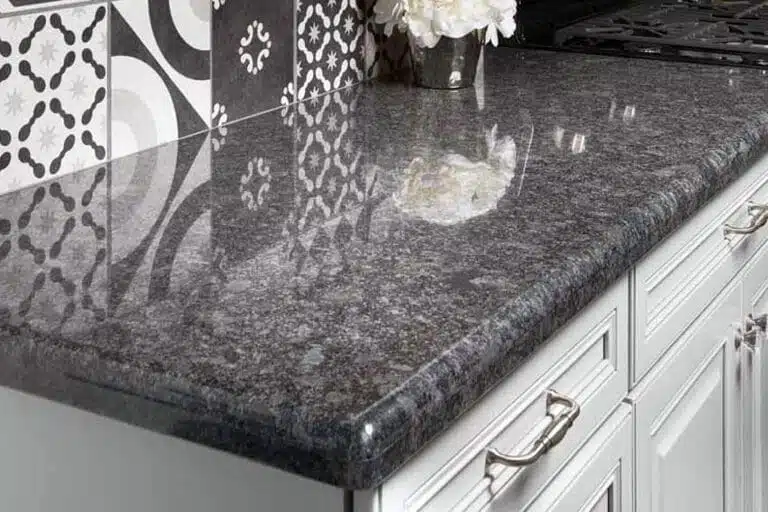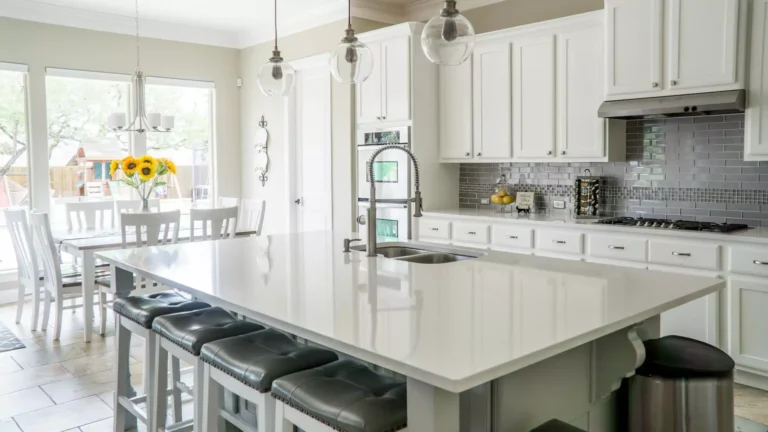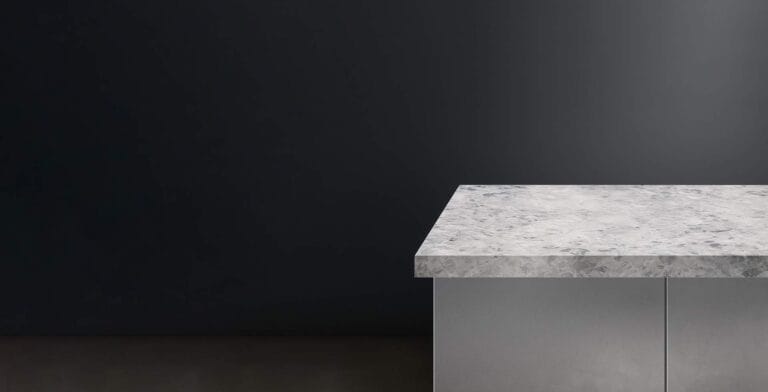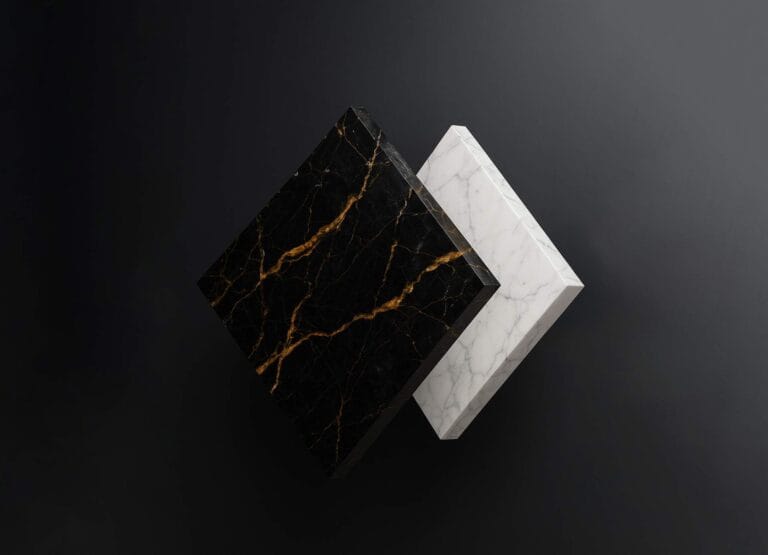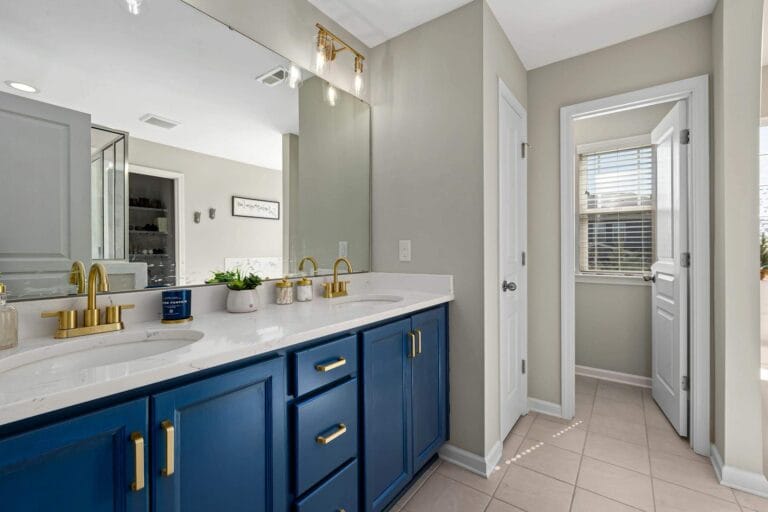
If you’ve ever heard the term engineered stone and wondered whether it’s “real stone or some kind of synthetic material,” you’re definitely not alone. Plenty of homeowners walk into a showroom, see beautiful quartz slabs, and still feel confused about what they’re actually looking at.
Many people worry about the same things: Is it durable? Will it stain? How does it handle heat? Is it safe for my family? These concerns are completely normal, especially when the material sounds technical or unfamiliar. Most of the confusion comes from not fully understanding how engineered stone is created or how it holds up in real, everyday kitchens—not just the staged ones in magazines.
Quartz has earned its popularity for a reason. It answers the biggest worries homeowners have about new countertops by offering strength, predictability, beauty, and low maintenance in one package.
In this guide, we break everything down clearly so you can understand what engineered stone really is and feel confident choosing it for your home.
What Engineered Stone Really Is
Before comparing materials, it helps to understand what engineered stone is in the simplest terms. Engineered stone is made from a blend of natural quartz crystals and high-quality resins that bind the material together. This mix creates a durable, non-porous surface known for its sleek appearance and everyday strength.
Quartz slabs are designed to mimic the beauty of natural stone while offering consistency in patterns and colors. Because the mixture is controlled, homeowners get predictable performance and style—something many people appreciate more than the randomness of natural materials. When people look up facts about quartz, they’re often surprised to learn it holds one of the highest ratings for household durability.
Engineered Stone vs. Natural Stone
Homeowners comparing quartz with granite or marble usually want to know how each surface behaves in everyday life. The differences are simple once you break them down.
Durability
Engineered stone is non-porous, so spills stay on the surface instead of soaking in.
Natural stone is porous and needs routine sealing to stay protected.
Heat
People often wonder: are quartz countertops heat-resistant? Quartz can handle everyday kitchen heat, but extremely hot pans shouldn’t sit directly on it because of the resin content.
Stains & Cleaning
Quartz naturally resists stains and wipes clean with little effort. Granite and marble can stain or darken if spills linger too long.
Patterns
Quartz offers predictable, consistent styles. Natural stone delivers unique, one-of-a-kind veining.
Cost
Engineered surfaces give long-term value with less maintenance. These differences help clear up the confusion when comparing countertops man made to natural alternatives.
Benefits of Engineered Stone (Psychology Angle)
Beyond the technical facts, engineered stone offers comfort to homeowners who want a beautiful kitchen without worrying about daily wear and tear.
Peace of Mind
You don’t have to worry about spills becoming stains or oils leaving permanent marks.
Low Maintenance
No sealing, no yearly treatments — just wipe and go.
Predictable Appearance
Your countertop will look exactly like the sample you fell in love with.
Hygiene
The non-porous surface means bacteria and moisture can’t sneak into tiny cracks.
Consistent Strength
Because quartz is uniform, it performs reliably in all areas of the kitchen.
These emotional benefits are why many people choose quartz after learning what engineered stone is and how stable it is long-term.
Common Concerns & Misconceptions
Even with growing popularity, misunderstandings about engineered stone still pop up. Let’s address them simply.
Heat Resistance
People often wonder: are quartz countertops heat-resistant? Quartz handles warm pots and daily cooking temperatures, but extremely hot pans can cause resin damage. Using trivets protects the surface.
Cracking
Cracks are rare unless the surface experiences direct impact or is not installed correctly.
Resin Safety
Modern resins used in quartz slabs meet safety standards and are designed for indoor home use.
Repairs
Minor scratches can be repaired, but large chips usually require a professional fix.
Discoloration
Quartz stays color-stable indoors, but prolonged outdoor exposure can affect the resins, which is why engineered stone is best for indoor kitchens.
These clarifications help homeowners sort through myths and understand real-world performance.
Is Engineered Stone Right for Your Kitchen?
Choosing a countertop should feel personal. Here’s how to know if engineered stone fits your lifestyle:
- You want something durable without high maintenance.
- You prefer consistent patterns instead of natural variations.
- You have a busy kitchen with lots of daily cooking.
- You want strong resistance to stains, oils, and spills.
- You’d rather avoid resealing or specialized cleaners.
If these points describe your home, quartz might be the perfect match—especially once you understand facts about quartz and how dependable it is compared to other surfaces.
When to Choose Quartz Over Other Countertops
There are some situations where engineered stone shines brighter than everything else.
Busy Kitchens
Quartz is ideal for households that cook daily and want countertops that can handle spills, splashes, and constant activity.
Rental Properties
Tenants prefer surfaces that are simple to clean, and owners value quartz for its durability and low-maintenance lifespan.
Families With Kids
From sticky hands to juice mishaps, quartz makes everyday messes easy to manage.
Modern or Minimalist Designs
Its sleek, consistent patterns complement today’s clean and contemporary kitchen styles.
Low-Maintenance Lifestyles
If you want beauty without sealing or heavy upkeep, quartz is the perfect choice.
These examples reflect why so many homeowners choose countertops man made for predictability and stress-free care.
Confidence Moving Forward
Understanding engineered stone takes the stress out of choosing new countertops. Now that you know how it’s made, how it performs, and how it compares to natural materials like granite and marble, the decision becomes much clearer. This guide addressed the concerns homeowners worry about most—heat, stains, safety, maintenance, and long-term value—so you can move forward with confidence.
If you’d like expert help selecting the right surface for your home, contact us for personalized advice and professional quartz installation.